Tides and Ledgers: The Financial Realities Facing Harris Creek's Oyster Farmers
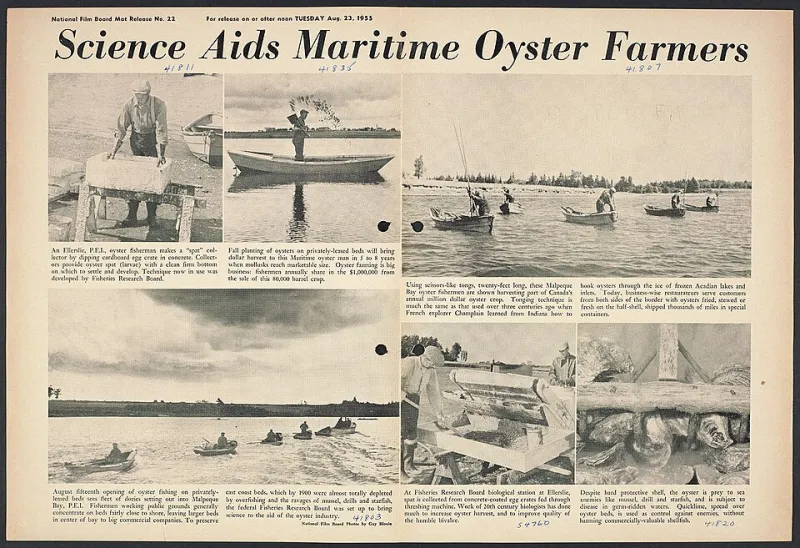
Photo: National Film Board. Photos by Guy Blouin; Chris Lund, Public domain, via Wikimedia Commons
The Chesapeake Bay does not operate on a quarterly schedule. Its rhythms are governed by tidal cycles, water temperatures, and the slow biological clock of Crassostrea virginica — the Eastern oyster that has made Harris Creek one of the most celebrated growing regions in the United States. Yet the men and women who tend these waters must also answer to a decidedly more terrestrial set of pressures: wholesale prices, equipment loans, labor costs, and the perpetual uncertainty of weather-dependent harvests.
Understanding the business of Harris Creek oyster farming requires an appreciation for both worlds — the ecological and the economic — and how inextricably they are bound together.
A Harvest Built on Precision, Not Volume
Industrial shellfish operations along the Gulf Coast often compete on volume, producing millions of oysters through mechanized processes that prioritize throughput over terroir. Harris Creek farmers have, by and large, chosen a different path. The creek's relatively contained geography, combined with the Chesapeake's distinctive salinity profile, lends each oyster a flavor complexity that commands a premium price point — but only if that quality is rigorously maintained throughout the production cycle.
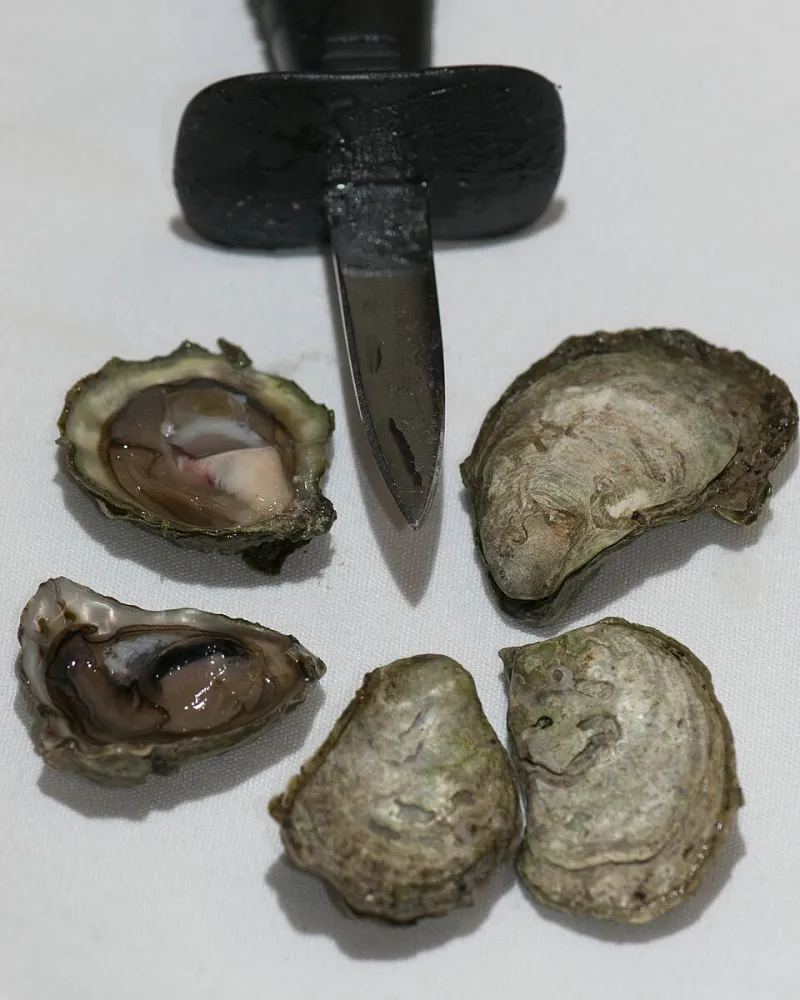
Small-scale harvesters in the region typically manage between five and fifty acres of leased water bottom, a footprint that limits raw output but affords the kind of attentive cultivation that industrial farms cannot easily replicate. Cages are rotated by hand. Oysters are tumbled to encourage deep cup formation. Harvest timing is calibrated not merely to size, but to flavor — a determination that requires years of accumulated knowledge and daily observation.
This labor-intensive model translates directly into cost structure. Where a commodity oyster might leave the farm gate at fifty cents per unit, a premium Harris Creek oyster — properly sized, deeply cupped, and harvested at peak salinity — routinely commands between one and two dollars wholesale. The margin between those figures represents not just quality, but the entire economic viability of a small operation.
Seasonal Revenue and the Art of Cash Flow Management
Oyster farming is not a year-round revenue stream in the conventional sense. While Harris Creek oysters can technically be harvested throughout the year, demand — and pricing — fluctuates considerably with the seasons. The fall and winter months, stretching from September through February, represent the industry's peak commercial window. Cooler water temperatures sharpen the oysters' brininess, and consumer appetite for raw bar experiences rises alongside the holiday dining season.
For harvesters, this seasonal concentration of revenue creates a distinctive cash flow challenge. Equipment maintenance, cage replacements, seed purchases, and lease payments do not pause during the slower summer months. Producers who lack access to sufficient operating capital — or who have not cultivated relationships with institutional buyers willing to commit to year-round purchasing agreements — can find themselves caught between strong harvests and weak liquidity.
Some operations have addressed this challenge through product diversification. Smoked oysters, jarred half-shells packed in brine, and value-added preparations have allowed certain Harris Creek producers to extend their revenue calendar without abandoning their commitment to the raw product. Others have pursued oyster gardening programs in partnership with local conservation organizations, generating modest supplemental income while contributing to reef restoration efforts that ultimately improve the health of their growing waters.
Competing With Industrial Scale
The competitive landscape for Eastern oysters in the United States has grown considerably more crowded over the past decade. Aquaculture operations from Maine to the Gulf Coast have expanded their output, and major distributors now offer buyers a broad selection of regional varieties at varying price points. For Harris Creek producers, differentiation is not merely a marketing exercise — it is an economic imperative.
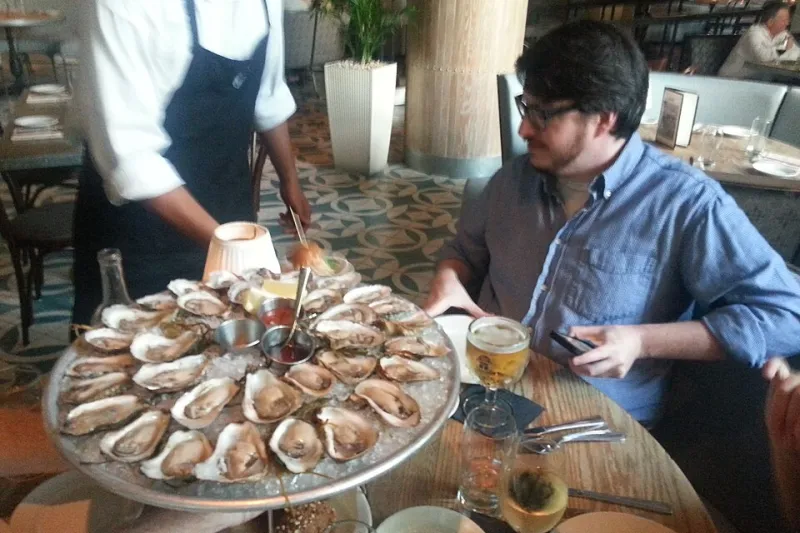
Restaurant partnerships have proven to be one of the most effective tools in this regard. When a fine dining establishment in Washington, D.C., or Baltimore features Harris Creek oysters by name on its raw bar menu, it signals to diners that the provenance of the product is itself a point of distinction. This named-origin approach, common in the wine and artisan cheese industries, has gradually taken hold in premium shellfish markets, and it benefits small producers disproportionately. A restaurant cannot easily replicate that specificity with a commodity product.
Negotiating these partnerships, however, demands skills that extend well beyond the water. Harvesters must be capable of discussing flavor profiles with executive chefs, meeting the logistical demands of consistent weekly delivery, and maintaining the cold-chain integrity that premium accounts require. For many small operators, this represents a significant operational investment — one that pays dividends in price stability and brand recognition, but requires sustained effort to maintain.
The Direct-to-Consumer Opportunity
Perhaps the most consequential shift in the Harris Creek oyster economy over the past several years has been the rise of direct-to-consumer sales. Accelerated by pandemic-era disruptions to restaurant supply chains, a growing number of harvesters have developed their own e-commerce infrastructure, shipping overnight-packed oysters directly to home consumers across the continental United States.
The economics of this channel are compelling. By eliminating the distributor and the wholesale intermediary, producers can capture a significantly larger share of the retail price — sometimes three to four times the wholesale rate — while building direct relationships with a loyal customer base. Subscription models, in which consumers receive regular shipments of freshly harvested oysters, have proven particularly effective at generating predictable revenue streams that help offset the seasonal volatility described above.
The operational demands are not trivial, however. Packing for overnight shipment requires insulated packaging, dry ice, and a reliable logistics partner. Customer service expectations in a direct-to-consumer model are considerably more intensive than in a wholesale relationship. And the marketing investment required to attract and retain individual buyers — through social media, email campaigns, and experiential events — represents a meaningful ongoing expense.
For producers willing to make that investment, the rewards extend beyond revenue. Direct consumer relationships generate the kind of brand equity that insulates small operations from price competition and creates a community of advocates who amplify the Harris Creek story organically.
Sustainability as Both Principle and Strategy
It would be a mischaracterization to suggest that Harris Creek harvesters embrace sustainable aquaculture practices solely for commercial advantage. The commitment runs deeper than that, rooted in a recognition that the health of the creek and the viability of their livelihoods are inseparable. Oysters filter extraordinary volumes of water — a single adult oyster can process upward of fifty gallons per day — and healthy oyster populations contribute directly to the ecological resilience of the Chesapeake Bay system.
At the same time, sustainability has become a credible market signal. Buyers at premium restaurants and informed home consumers increasingly seek assurance that the products they purchase are produced responsibly. Certifications from organizations such as the Aquaculture Stewardship Council, combined with the inherent environmental benefits of bivalve aquaculture, provide Harris Creek producers with a narrative that resonates with this audience.
The economics of sustainability, then, are not in conflict with profitability — they are, increasingly, a precondition for it. Operations that invest in water quality monitoring, responsible seed sourcing, and habitat restoration are not merely acting as stewards of a public resource. They are building the conditions under which premium pricing remains justifiable and the Harris Creek name retains its distinction.
In the end, what makes Harris Creek oysters remarkable is not any single factor — not the salinity, not the harvest technique, not the reputation of the Chesapeake. It is the convergence of all of these elements, sustained by producers who have learned to navigate the demands of both the bay and the balance sheet with equal competence.