The New Prestige Ingredient: How Harris Creek Oysters Became the Culinary World's Most Coveted Table Statement
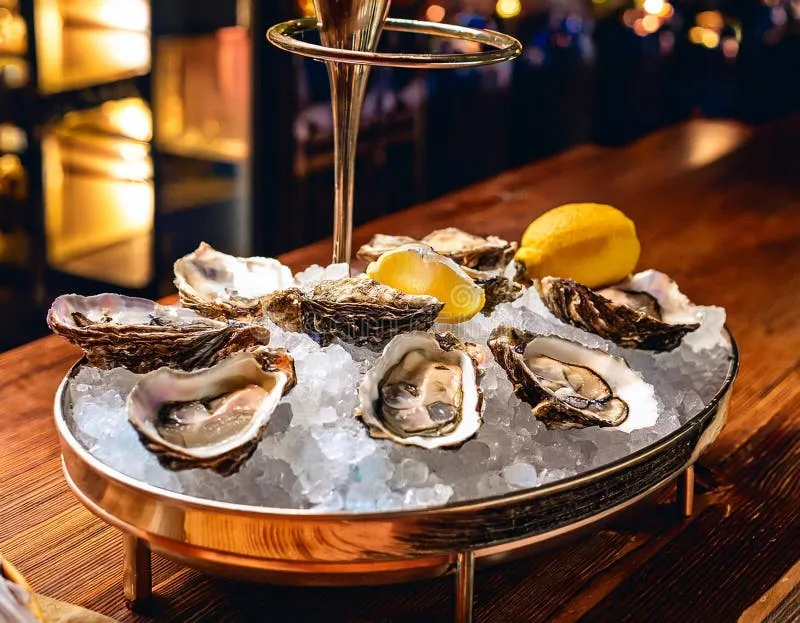
Photo: fine dining raw oyster bar plating elegant restaurant, via thumbs.dreamstime.com
Across America's most celebrated dining rooms, a quiet but fierce competition is unfolding — one measured not in Michelin stars, but in the provenance of a single bivalve. Harris Creek oysters have ascended to a rarefied tier of culinary currency, standing alongside caviar and hand-harvested truffles as ingredients that signal both excellence and intention. For the nation's top chefs, securing a reliable allocation of these Chesapeake-grown gems has become less a matter of menu planning and more a declaration of culinary philosophy.
From Commodity to Credential
Not long ago, oyster sourcing was largely transactional. A restaurant needed oysters; a distributor supplied them. Variety mattered, certainly, but the decision rarely carried the weight of a chef's reputation. That calculus has shifted dramatically. Today, the appearance of Harris Creek oysters on a menu communicates something deliberate — a willingness to invest in provenance, to honor the ecology of a specific watershed, and to offer guests an experience that cannot be replicated with a substitute.
Chef Marcus Delaney of Littoral, a celebrated coastal tasting room in Charleston, South Carolina, describes the transformation plainly: "When I put Harris Creek on the menu, I'm not just offering an oyster. I'm offering a geography lesson, a conservation story, and a flavor profile that changes with the tides. My guests understand that distinction now, and they expect it."
This expectation has redefined what it means to build a raw bar program. Where once a restaurant might feature half a dozen oyster varieties chosen primarily for consistency and cost, today's leading establishments curate their selections with the same rigor applied to a wine list. Harris Creek, with its characteristic brine, clean cucumber finish, and plump, deeply cupped shell, occupies the top tier of that curation — the equivalent of a first-growth Bordeaux in a cellar otherwise populated with admirable but lesser bottles.
The Flavor Profile That Commands Attention
Part of what drives the competitive demand for Harris Creek oysters is something entirely beyond branding: the taste itself. Grown in the nutrient-rich, carefully managed waters of Maryland's Eastern Shore, these oysters develop a complexity that chefs describe with the same vocabulary reserved for aged cheeses and single-origin chocolates.
The salinity is pronounced but not aggressive — a clean, oceanic opening that yields to a sweetness drawn from the Chesapeake's unique blend of fresh and tidal waters. The finish is long, carrying faint mineral notes that linger on the palate in a manner that encourages contemplation rather than simple consumption. For a chef constructing a multi-course tasting menu, that finish is not incidental. It is architectural.
"I use Harris Creek as a palate-setter," explains Chef Renata Souza of Meridian Table in Washington, D.C. "The flavor arc of that oyster — the way it opens bright and closes with this quiet mineral note — prepares a guest's palate for everything that follows. I've tried substituting other East Coast varieties when allocation was tight, and the effect simply isn't the same."
This functional role in menu composition elevates Harris Creek beyond the status of a featured ingredient. In the hands of chefs like Souza, it becomes a structural element, a first movement that sets the tone for an entire culinary performance.
Scarcity and the Economics of Desire
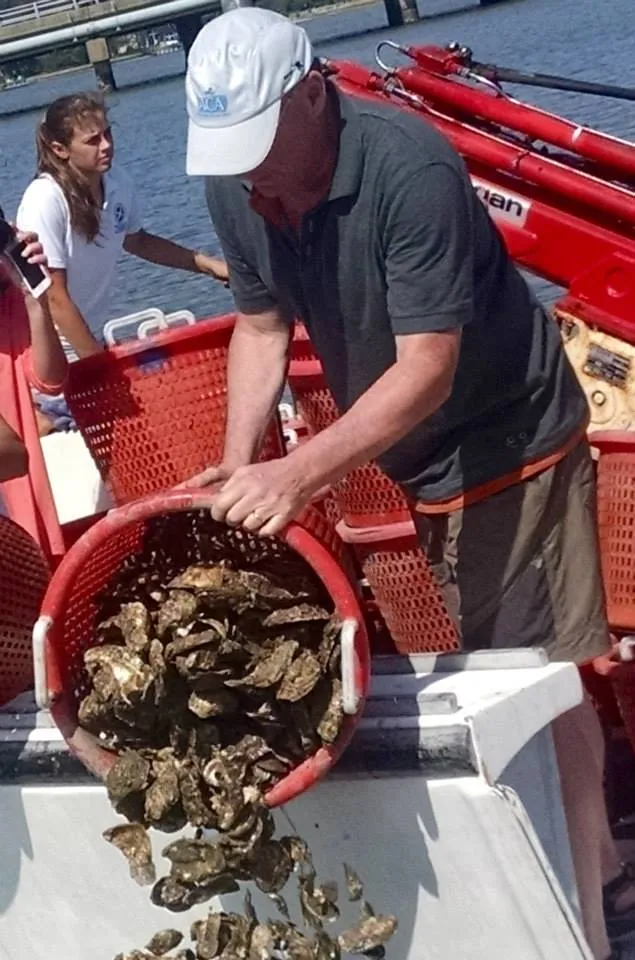
The competitive scramble for Harris Creek oysters is, in part, a story about supply and demand. Responsible aquaculture practices, combined with the natural constraints of the Chesapeake ecosystem, mean that production volumes are finite. Chefs who have established relationships with Harris Creek producers speak of those relationships with a protectiveness usually reserved for exclusive supplier contracts in the truffle or foie gras trade.
The economics follow accordingly. Harris Creek oysters command prices at the top of the market — a premium that restaurateurs absorb willingly, because the alternative is not simply serving a less expensive oyster. The alternative is forfeiting a competitive distinction that has become central to their brand identity.
"There is a conversation happening at the highest levels of American dining about what it means to source with integrity," notes Delaney. "Harris Creek is part of that conversation. If you're not at the table, you're not really in the room."
For food directors at luxury hotel properties and private dining clubs, securing a consistent Harris Creek allocation has become a benchmark of operational excellence — a talking point in client presentations and a headline in promotional materials. The oyster has, in effect, become a marketing asset as much as a culinary one.
The Pairing Imperative
As Harris Creek oysters have risen in prominence, so too has the sophistication surrounding their presentation. The era of a simple lemon wedge and cocktail sauce as accompaniment has given way to meticulously composed service styles that reflect the oyster's elevated status.
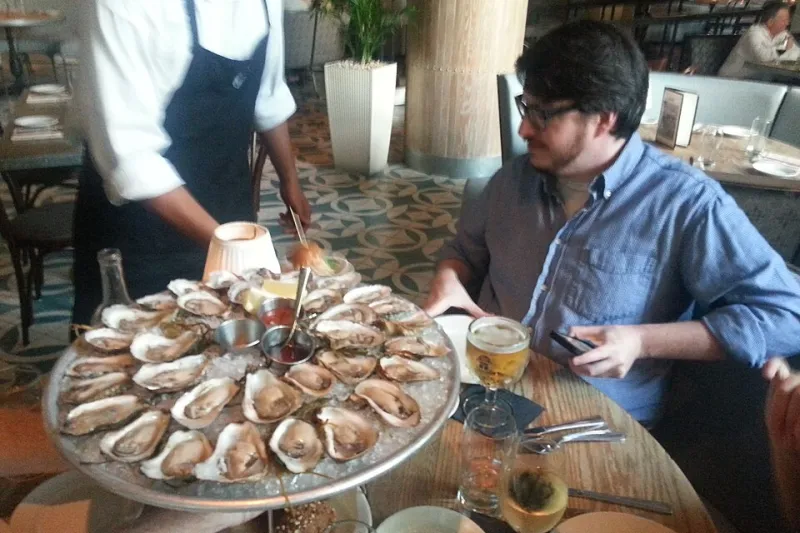
At Littoral, Delaney serves Harris Creek with a frozen mignonette made from aged champagne vinegar and hand-harvested sea salt, presented on a bed of crushed ice carved tableside. The gesture is theatrical, but the intention is sincere: to frame the oyster as the centerpiece it has earned the right to be.
Sommeliers, too, have adapted. The pairing of Harris Creek oysters with premier cru Chablis or aged Muscadet has become something of a standard in fine dining circles, while adventurous beverage directors experiment with pairings involving dry sake, aged Fino Sherry, or even lightly effervescent natural wines. Each pairing choice is, in its own way, a further testament to the oyster's versatility and complexity — qualities that lesser specimens simply do not possess in sufficient depth to reward such attention.
Coastal Credibility as Cultural Capital
Perhaps the most telling indicator of Harris Creek's ascendancy is the language chefs and restaurateurs now use when describing their sourcing decisions. Words like "credibility," "authenticity," and "commitment" appear repeatedly — language more typically associated with a chef's overall culinary identity than with the procurement of a single ingredient.
In the competitive landscape of American fine dining, where every element of a guest's experience is subject to scrutiny and comparison, the choice to feature Harris Creek oysters has become a form of cultural positioning. It signals an awareness of the Chesapeake's ecological significance, an appreciation for the labor-intensive practices of responsible aquaculture, and a willingness to invest in ingredients whose story is as compelling as their flavor.
For the restaurants that have made that investment — and for the guests who recognize its meaning — Harris Creek oysters represent something that transcends the merely delicious. They represent a point of view: that the finest things on the table are those grown with care, sourced with intention, and served with the full weight of their provenance intact.