Bringing the Bay Home: How Harris Creek Oysters Are Redefining the American Kitchen
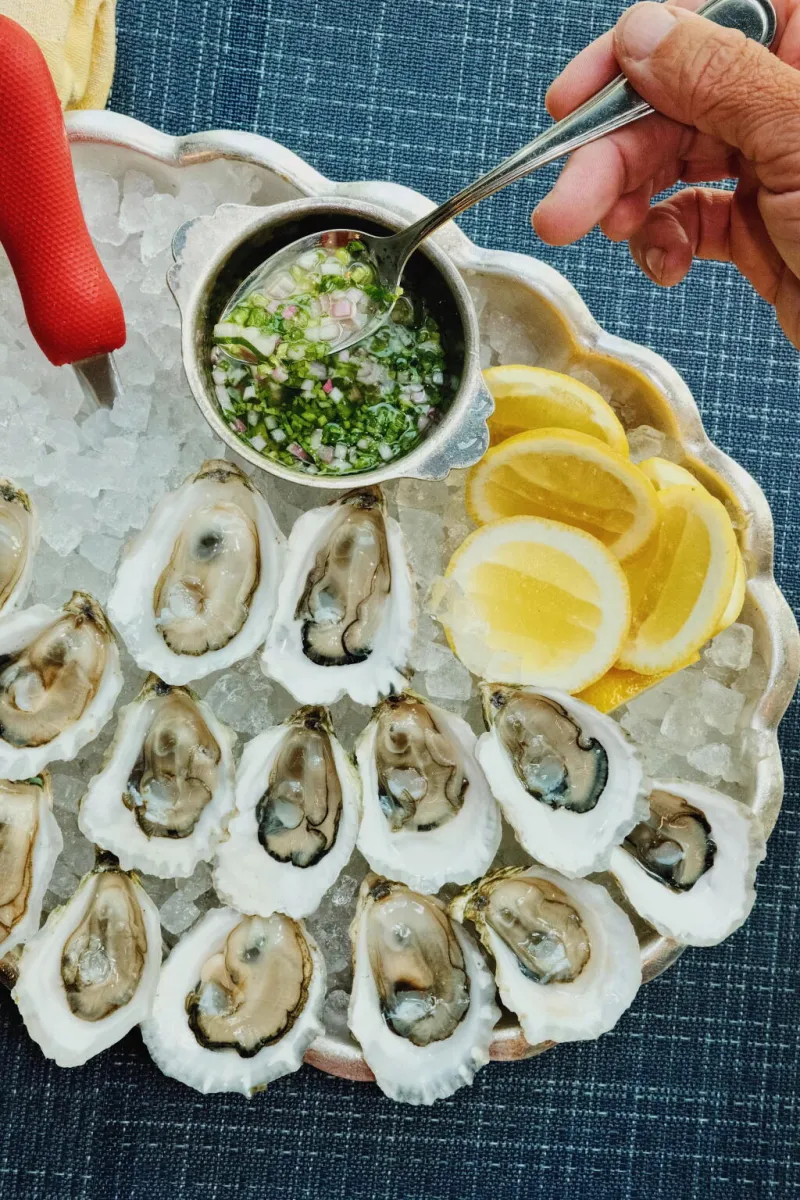
Photo: home cook shucking oysters kitchen dinner party entertaining, via ca-times.brightspotcdn.com
For generations, the oyster occupied a peculiar place in the American culinary imagination — revered in theory, yet intimidating in practice. It was the province of seasoned shucker, the restaurant sommelier, the chef who had spent years honing a relationship with the sea. To serve oysters at home was to court anxiety: Would they be fresh enough? Could one shuck them without injury? Would guests know what to do with them?
That hesitation is dissolving. Across the United States, a confident new generation of home entertainers is dismantling the mythology that surrounds the oyster, and Harris Creek oysters — harvested from the pristine tidal waters of Maryland's Eastern Shore — are at the very center of this transformation.
From the Raw Bar to the Kitchen Counter
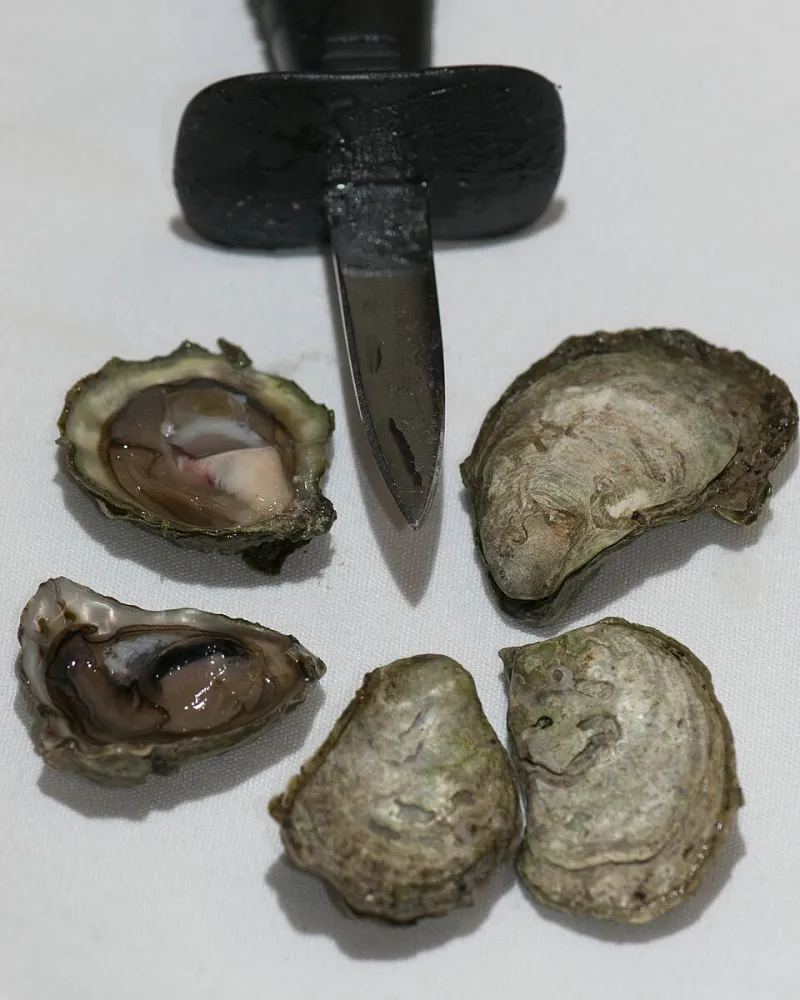
The shift did not happen overnight. Credit belongs partly to the broader farm-to-table movement, which encouraged American consumers to develop direct relationships with the origins of their food. When people began visiting farmers' markets, subscribing to community-supported fisheries, and ordering directly from producers, the oyster naturally entered the conversation. Suddenly, a dozen Harris Creek oysters could arrive on a doorstep in a carefully packed cooler, accompanied by nothing more than a shucking knife and a willingness to learn.
Social media accelerated the transition considerably. Platforms where home cooks share their culinary adventures have made oyster preparation a visible, even aspirational, pursuit. Videos demonstrating the satisfying pop of a well-shucked shell have accumulated millions of views, demystifying a technique that once seemed reserved for professionals. Harris Creek oysters, with their distinctive deep cups and clean, briny finish, photograph beautifully — a detail that has not been lost on the home entertaining community.
Yet the movement is about far more than aesthetics. It reflects a genuine desire to engage with premium ingredients on one's own terms, in one's own kitchen.
The Home Entertainer's Approach
Consider the experience of a passionate home cook in suburban Virginia who began serving Harris Creek oysters at dinner parties after a visit to the Chesapeake Bay region. The initial attempt was modest — a dozen oysters on ice, a mignonette made with shallots and champagne vinegar, a borrowed shucking knife. The response from guests was immediate and enthusiastic. Within a year, oysters had become a signature element of every gathering, and the host had invested in a proper shucking glove, a dedicated oyster knife, and a growing repertoire of preparations.
This trajectory is increasingly common. What begins as a single, slightly nerve-wracking experiment evolves into a practiced ritual. The skills compound: shucking becomes more fluid, flavor pairings grow more sophisticated, and the oyster transitions from novelty to cornerstone.
Harris Creek oysters lend themselves particularly well to this kind of culinary education. Their flavor profile — a balanced interplay of salinity, sweetness, and a clean mineral finish — is versatile enough to reward both the simplest presentations and the most ambitious preparations.
Techniques Worth Mastering
For the home cook approaching Harris Creek oysters with serious intent, a handful of techniques form the essential foundation.
The Classic Raw Presentation remains the purest expression of what Harris Creek produces. Served on a bed of crushed ice with a classic mignonette or a squeeze of fresh lemon, a raw Harris Creek oyster asks nothing more of the cook than a clean shuck and an honest accompaniment. The key is temperature: oysters should be kept cold — ideally between 35 and 40 degrees Fahrenheit — right up until the moment of service.
Roasting on the Half Shell offers an approachable entry point for those who find the raw preparation daunting. Placing shucked oysters on a hot grill or in a high-temperature oven for three to four minutes, topped with a compound butter of herbs, garlic, and a touch of smoked paprika, produces a result that is simultaneously rustic and refined. The heat gently firms the oyster's texture while concentrating its natural brine, creating a dish that feels at once casual and celebratory.
Oyster Pan Roast, a classic preparation with deep roots in American coastal cooking, translates beautifully to the home kitchen. Briefly sautéed in butter with a splash of dry vermouth, finished with cream and a whisper of cayenne, Harris Creek oysters become the foundation of a dish that bridges the gap between comfort food and fine dining. Served over toasted brioche or alongside a simple green salad, it is the kind of meal that makes guests feel genuinely cared for.
Oyster Chowder represents perhaps the most democratic application of the Harris Creek oyster in home cooking. Drawing on a tradition that runs from New England to the Gulf Coast, a well-made oyster chowder — built on a base of rendered bacon, sweet onion, celery, and Yukon Gold potatoes, enriched with cream and finished with freshly shucked oysters — is hearty, deeply satisfying, and accessible to any cook who can manage a stockpot.
Maintaining the Standard
One of the more thoughtful aspects of the Harris Creek oyster's journey into home kitchens is the insistence, among its most devoted cooks, on preserving the quality standards that define the ingredient in the first place. Premium oysters demand premium handling. This means sourcing from reputable purveyors who can guarantee freshness and proper cold-chain management. It means shucking with care and serving promptly. It means resisting the temptation to overwhelm the oyster's natural character with heavy sauces or aggressive seasonings.
The gourmet identity of Harris Creek oysters is not diminished by their presence in a home kitchen. If anything, it is honored. When a home cook takes the time to learn proper shucking technique, to source impeccably fresh product, and to present the oyster with thoughtfulness and skill, they are participating in the same tradition of excellence that defines the finest seafood restaurants on the Eastern Seaboard.
A New Chapter for an Ancient Ingredient
The oyster has sustained communities along the Chesapeake Bay for centuries. It has fed presidents and fishermen, graced banquet tables and roadside stands. Its latest chapter — as a staple of the American home kitchen — feels less like a departure from that history than a natural continuation of it.
Harris Creek oysters are leading this renaissance not simply because of their exceptional quality, though that quality is undeniable. They are leading it because they embody a philosophy that resonates deeply with today's culinary culture: that the finest ingredients deserve to be understood, celebrated, and shared — wherever that sharing happens to take place.
The bay has always been generous. The kitchen, it turns out, is ready to receive what it offers.